Recap of Hosted Book Events
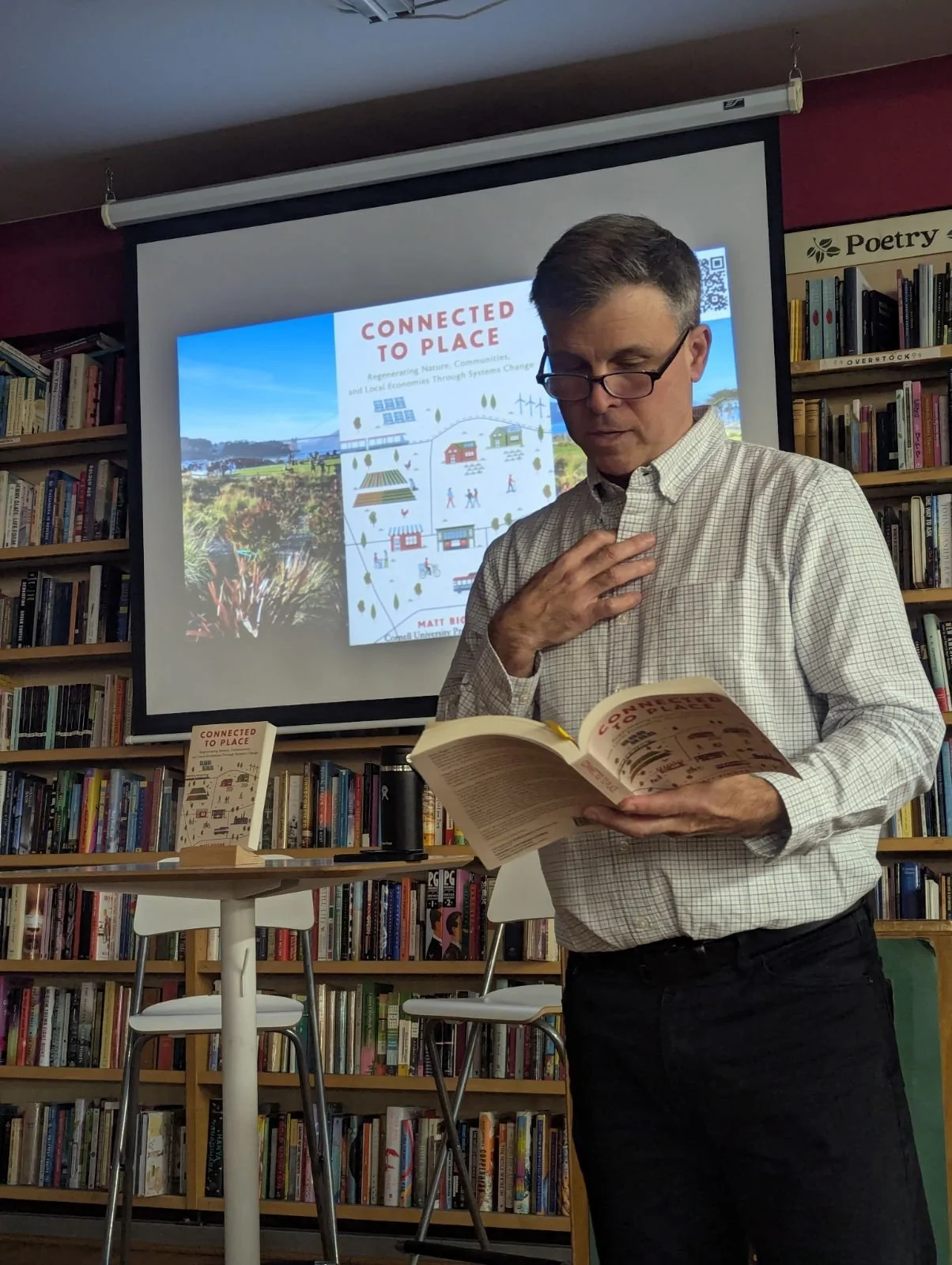
It was a joy to share my book in conversation with place-based social change leaders at Bay Area events and virtually with the Tamarack Institute for Community Engagement. Systems change is possible if we focus on our connection to place, build relationships, find the right catalysts, and pull the right levers in our localities and regions. Although we are in very challenging times, the changemakers who joined me on panels and in the audience give me hope.
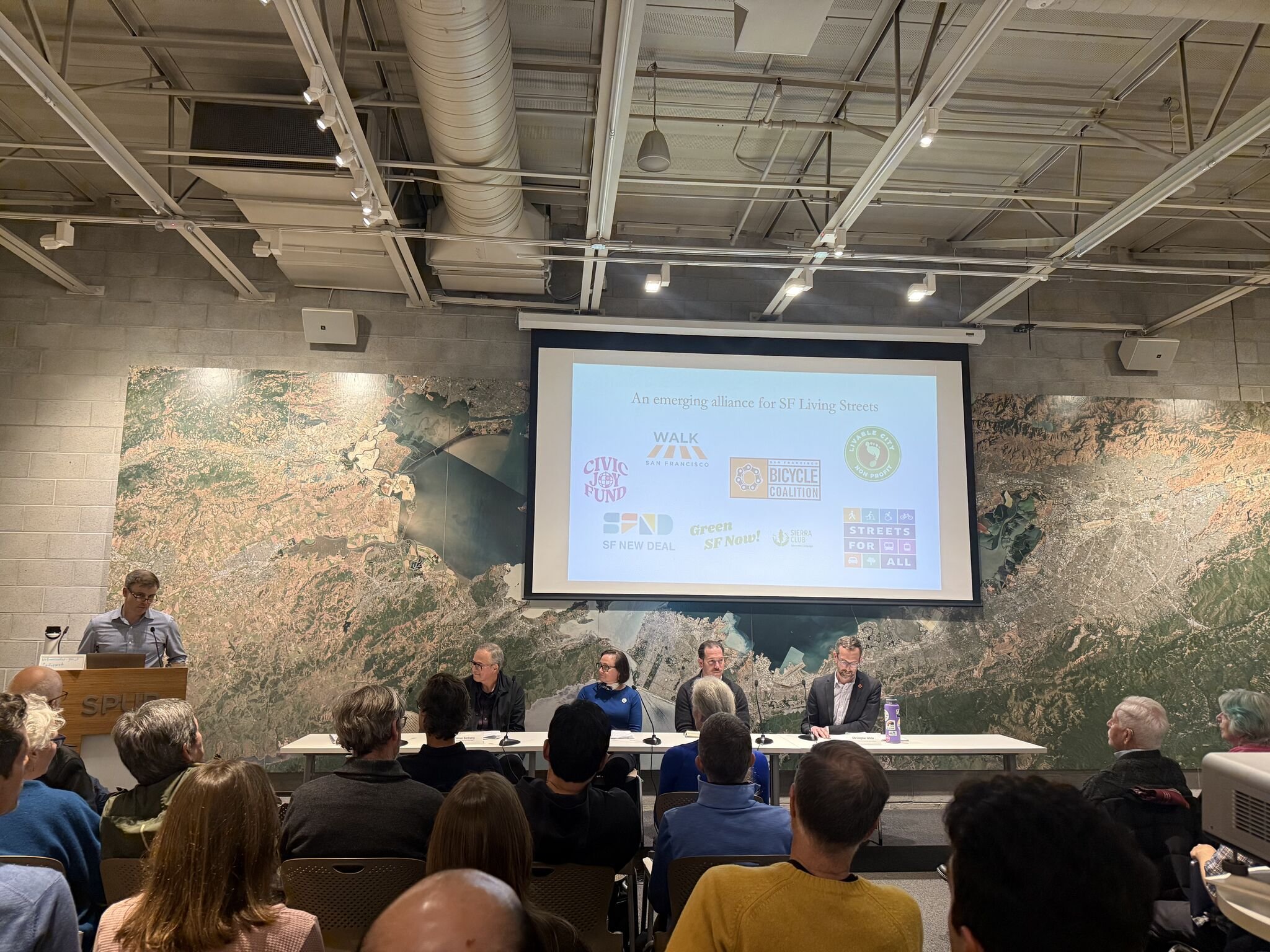
It started at SPUR with a panel on systems change on San Francisco streets (Luke Spray of Civic Joy Fund, Christopher White of San Francisco Bicycle Coalition, Simon Bertrang of SF New Deal, Jodie Medeiros of Walk San Francisco). Thank you, Sarah Atkinson, Carolyn Chung, and the SPUR team for hosting us. Thank you to Julia Gitis of Good Neighbor Lab for her reflection on the event and for her work strengthening community bonds in San Francisco.
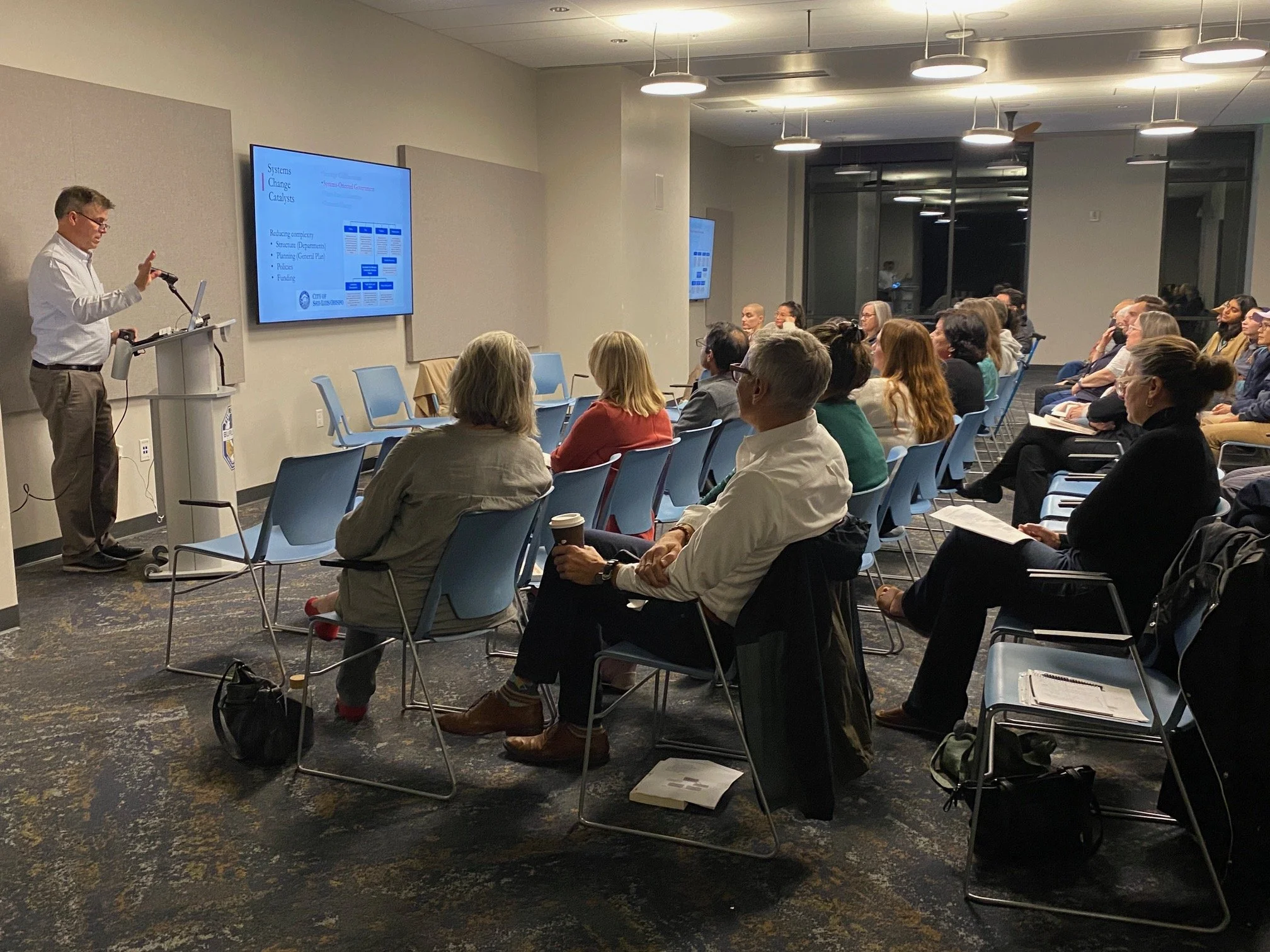
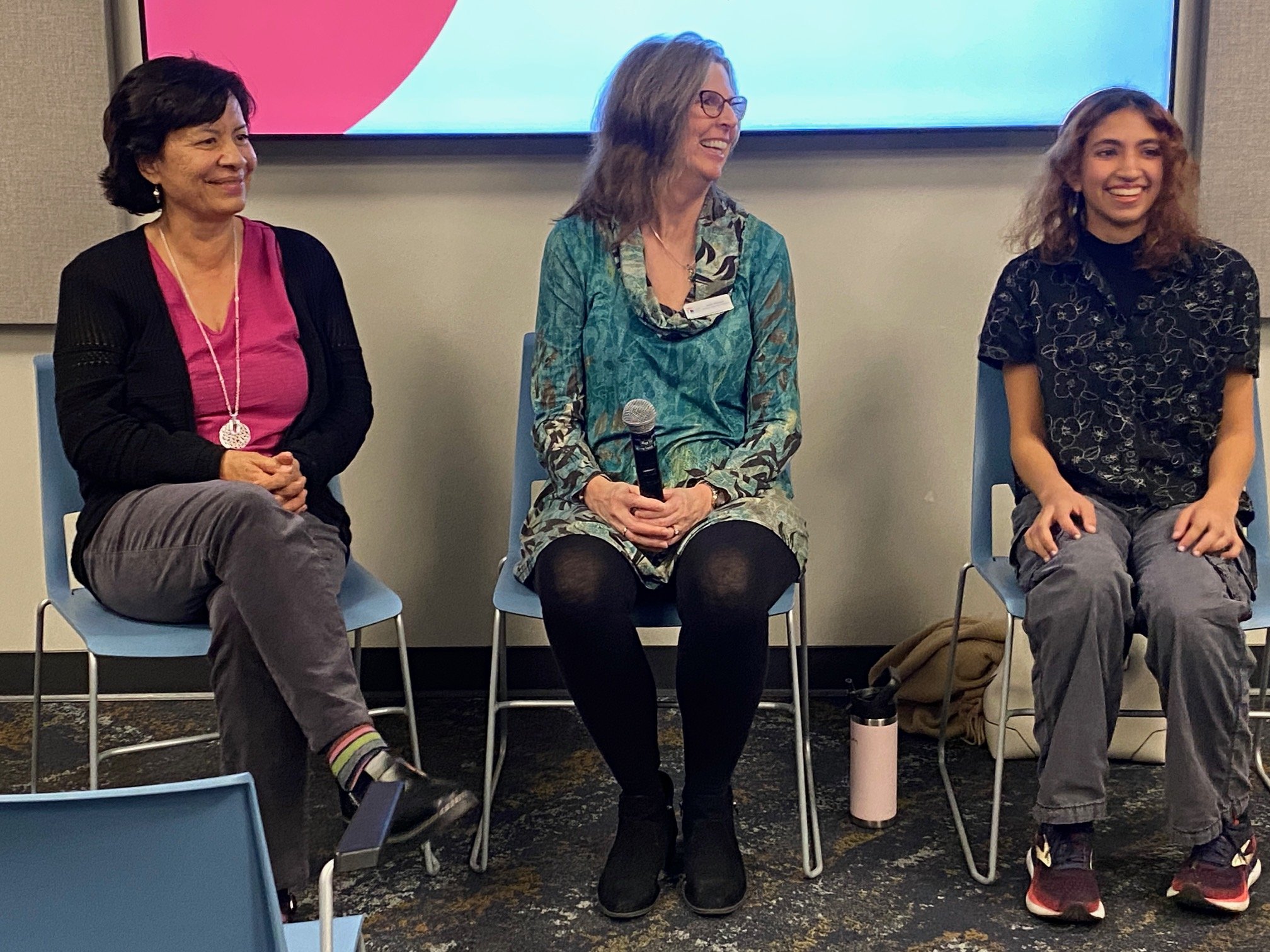
At the Burlingame Community Center, the event featured a panel on place-based education as a catalyst for systems change, with San Mateo County Office of Education leaders Theresa Vallez-Kelly and Julie Hilborn, and youth climate activist Natalie Dias. Burlingame City Librarian Bradley McCulley and Parks and Recreation Supervisor Colleen Conefrey also presented on the ‘Meet 6 Neighbors’ program, a great campaign for building stronger communities. Thank you to Terry Nagel for coordinating the event and to Citizens Environmental Council, Thrive Alliance (Cindy Barker, Irma Zoepf), Sustainable San Mateo County (Sarah Hubbard), San Mateo County Office of Education, and Burlingame Parks and Recreation for co-hosting.
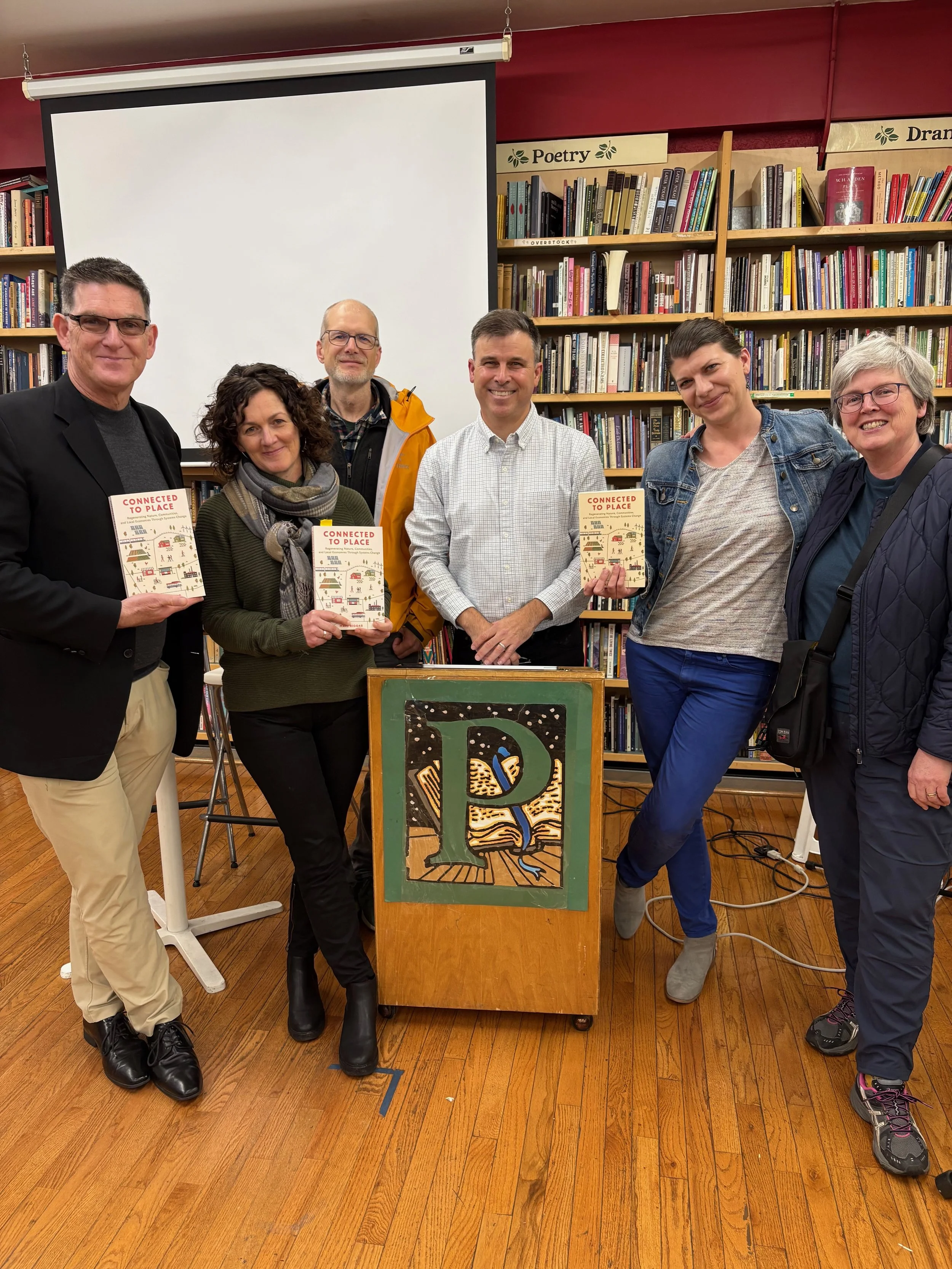
The third stop was at Pegasus Books in Downtown Berkeley. In conversation with California Academy of Sciences Executive Director Scott Sampson, we explored the importance of nature connection and the process of social change. On that rainy night, we had a more intimate gathering, allowing us to have a discussion with wonderful place-based leaders who were in attendance: Annie Burke of Together Bay Area, Karen Cowe of Ten Strands, and Kaitlin Levenstrong of Oakland Goes Outdoor.
For the final stop, I talked with Ruté Ojigbo and Heather Keam about how to define systems in ways that lead to real change on the ground, why place is important in systems change, the path to place-based systems change, and our role as individuals in it. Thank you, Tamarack Institute for Community Engagement, for hosting and recording the event.
Recap of Book Talks at Colleges and Universities
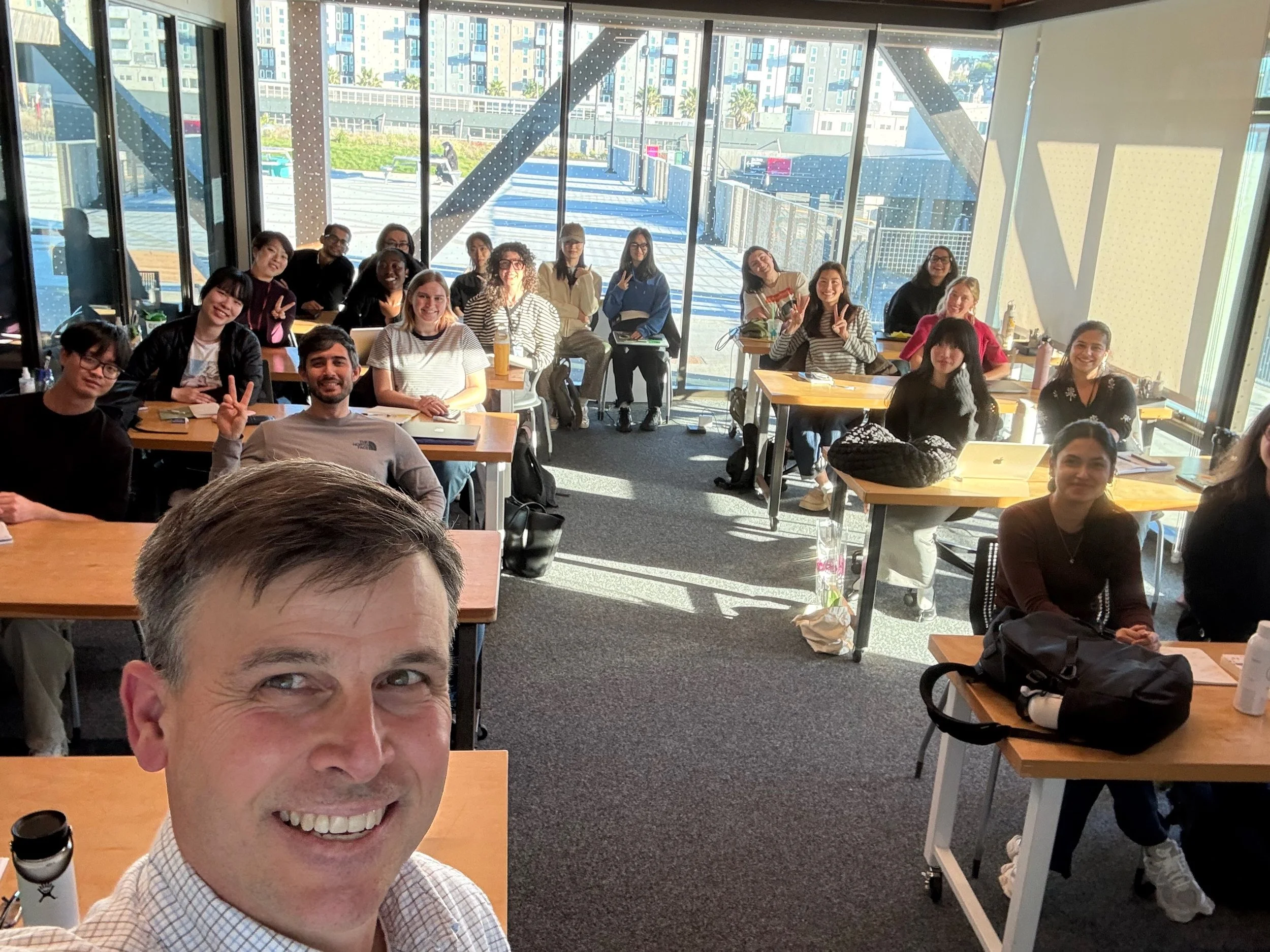
These past few weeks, I've had a great time talking with university students in Master of Design, MBA/MPA, and Environmental Studies programs about place-based systems change. In providing an overview of Connected to Place, I shared why disconnectedness is the underlying crisis of our time and how systems change that reconnects us to the places where we live can be the antidote.
Talking with undergraduate and graduate students interested in careers with social impact inspires me. It also brings up mixed emotions. There is a clear sense of angst and overwhelm among them from the magnitude and depth of the problems our society faces. 'Why did we inherit such a mess?' seems to be the silent question. Once we start talking about steps we can take to start building a better future, the mood becomes lighter. Hopeful may be too strong a word, but wanting to be part of the solution and not the problem, and not giving up seems to be more the tenor. Imagining all these students working together in their careers does give me hope.
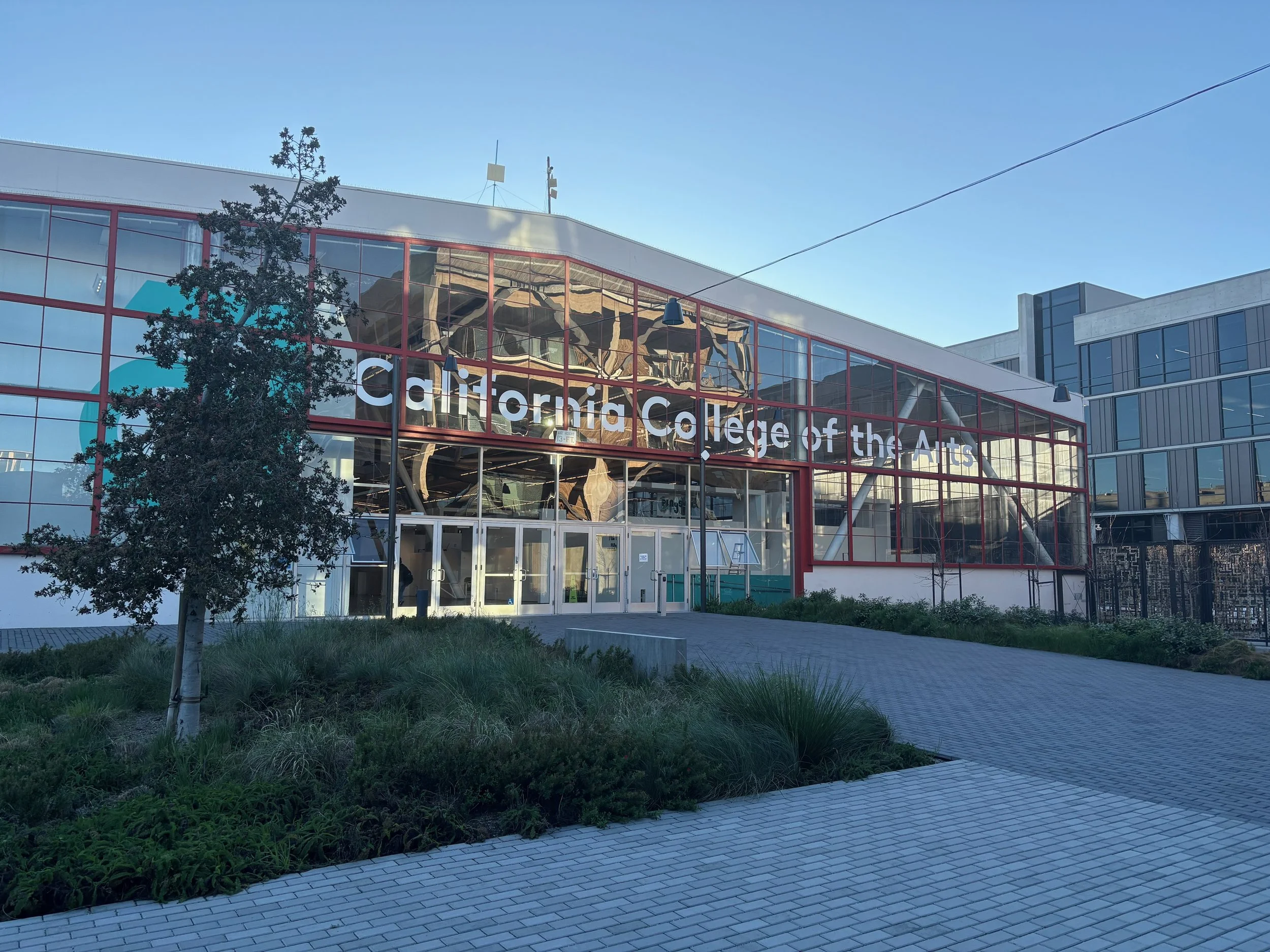
Thank you, Marc O'Brien and Leslie Forman at California College of the Arts, Daniel Fernandez at Cal State Monterey Bay, and Rachel Beth Egenhoefer at the Presidio Center for Sustainable Solutions, for welcoming me into your classrooms and all the good work you are doing to train students in the art and science of social change.